A Complete Guide to Different Types of Food Trucks
A Complete Guide to the Different Types of Food Trucks
Starting a food truck is an exciting venture—but choosing the right type of vehicle is one of the most important decisions you’ll make. The truck you select determines your capacity, workflow, equipment and long-term growth.
This complete guide walks you through the most common types of food trucks used in the industry today and highlights the strengths and ideal uses of each.
1. Cargo Vans
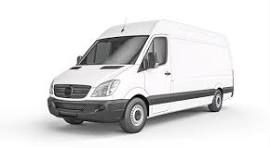
Cargo vans are one of the most flexible and affordable entry points into the mobile food world. Don’t let their compact size fool you—they’re highly versatile and can be customized to fit many business models.
Best For:
Small bakeries
Coffee and beverage service
Nutrition programs
Mobile delivery operations
Grab-and-go or prepackaged foods
Key Advantages:
Lower purchase and operating costs
Easy to maneuver and park
Fast to convert
Great for businesses that don’t require full cooking equipment
Typical Features Include:
Prep counters
Refrigerated display units
Lighting
Handwashing sinks
Built-in generators
Fryers, small griddles, or compact cooking equipment
Cargo vans are perfect for operators who don’t need a full commercial kitchen but require reliable mobility and smart space usage.
2. Step Vans
Step vans are the gold standard in the food truck industry. If you’ve seen a traditional food truck with a service window and a full kitchen on board, chances are it was a step van.
Best For:
High-volume food trucks
Full meals cooked to order
Specialty cuisine concepts
Mobile bakeries
Catering trucks
Key Advantages:
Spacious interior
High ceilings for comfortable movement
Ideal for full-size commercial equipment
Strong chassis designed to handle heavy loads
Easy walk-in design for staff
Typical Features Include:
Full hood and ventilation systems
Fire suppression
Commercial refrigeration
Grills, griddles, fryers, ovens
Ample storage and prep counters
Step vans typically range from 12 to 30 feet, offering plenty of room for even the most complex menus.

3. Box Trucks
Box trucks offer the largest amount of usable square footage and are ideal for businesses that need maximum storage, refrigeration, or heavy-duty equipment.
Best For:
Large-scale catering operations
Frozen or refrigerated food programs
High-volume production kitchens
Specialty food concepts requiring heavy equipment
Key Advantages:
Significant weight-carrying capacity
Large rectangular workspace
Ideal for full kitchen installations
Separate cab and kitchen compartment for safety and convenience
Typical Features Include:
Full commercial kitchen builds
Large refrigeration units
Bulk storage
High-capacity cooking equipment
Ample workspace for multiple staff
If your business requires heavy-duty capacity or large-scale operations, a box truck may be the best investment.

Pickup truck–mounted food units are a clever solution for operators who need mobility without the bulk of a traditional food truck.
Best For:
Coffee and beverage service
Ice cream, shaved ice, or dessert concepts
Prepackaged meals and snacks
Job-site or event-based food service
Key Advantages:
Lower cost and easier maintenance
High mobility—great for tight spaces or frequent travel
Ideal for niche or limited-menu concepts
Fast setup and breakdown
Typical Features Include:
Small refrigeration units
Beverage equipment
Simple prep counters
Light cooking or warming appliances
Integrated service windows
Pickup truck bodies are perfect for concepts that prioritize portability and simplicity over full-scale cooking.
options, mobility, maintenance needs, and ultimately, the success of your business.
Whether you’re a first-time entrepreneur or expanding an established brand, understanding the different types of food trucks will help you choose the platform that best supports your menu, budget,



Comments