Common Food Truck Build Mistakes (And How to Avoid Them)

Building a food truck is one of the most expensive and irreversible steps in starting a mobile food business. Unfortunately, many first-time operators discover—too late—that small oversights during the build phase can lead to failed inspections, costly rebuilds, downtime, or complete shutdowns.
This guide breaks down the most common food truck build mistakes and explains exactly how to avoid them—before they cost you tens of thousands of dollars.
Mistake #1: Buying a Truck Before Understanding Local Codes
One of the most common—and most expensive—mistakes.
Health, fire, and building codes vary by city and state. A truck that passed inspection in one jurisdiction may be illegal in another.
Common consequences:
Failed health department inspections
Forced rebuilds
Denied operating permits
How to avoid it:
Review local health and fire codes before buying or building
Confirm hood, plumbing, electrical, and propane requirements in writing
Work with builders familiar with your jurisdiction
Mistake #2: Ignoring Payload & Weight Calculations
This mistake alone can render a truck completely unusable.
Many trucks exceed their Gross Vehicle Weight Rating (GVWR) once equipment, water tanks, propane, and staff are added.
Common consequences:
Unsafe driving conditions
Failed DOT inspections
Voided insurance
Premature mechanical failure
How to avoid it:
Perform full payload calculations before the build
Account for water (8.34 lbs per gallon), equipment, and inventory
Choose the correct chassis—not just the cheapest one
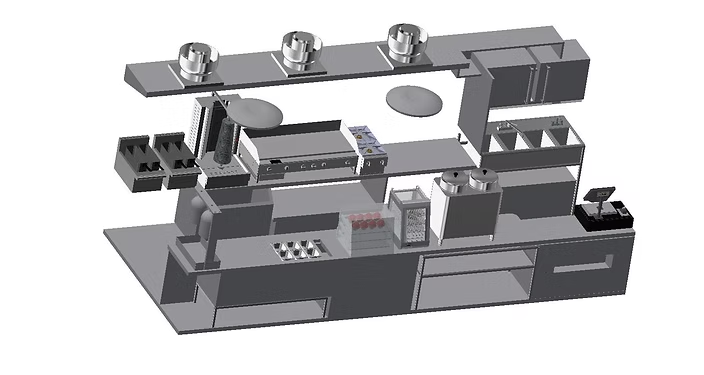
Mistake #3: Poor Kitchen Layout & Workflow Design
A kitchen that looks good on paper can be inefficient—or dangerous—in practice.
Common consequences:
Bottlenecks during service
Increased staff fatigue
Higher injury risk
Slower ticket times
How to avoid it:
Design layout based on menu flow, not aesthetics
Separate hot, cold, prep, and service zones
Leave adequate aisle clearance for safety and code compliance
Mistake #4: Undersized Electrical Systems
Modern food trucks rely heavily on electricity—yet many builds underestimate power needs.
Common consequences:
Tripped breakers
Equipment failures
Generator overload
Fire inspection failures
How to avoid it:
Calculate electrical load for all equipment
Plan for peak simultaneous usage
Install commercial-grade wiring, panels, and shore power
Mistake #5: Cutting Corners on Ventilation & Fire Suppression
Ventilation is not optional—and mistakes here are rarely fixable cheaply.
Common consequences:
Fire department rejection
Insurance denial
Excessive heat and smoke
How to avoid it:
Install a properly sized Type I hood when required
Use certified fire suppression systems
Ensure professional installation and documentation
Mistake #6: Improper Plumbing & Water Tank Sizing
Water systems are one of the most heavily regulated parts of a food truck.
Common consequences:
Failed health inspections
Inability to operate legally
Forced tank replacement
How to avoid it:
Meet or exceed minimum tank ratios (fresh, grey, waste)
Install accessible cleanouts and backflow prevention
Use NSF-approved materials
Mistake #7: Using the Wrong Materials
Not all materials are acceptable in a commercial food environment.
Common consequences:
Failed inspections
Accelerated wear and corrosion
Difficult cleaning and sanitation issues
How to avoid it:
Use commercial-grade stainless steel
Avoid decorative or residential materials
Choose slip-resistant, sealed flooring
Mistake #8: Skipping Documentation & As-Built Records
Many owners don’t realize documentation is required—until inspectors ask for it.
Common consequences:
Inspection delays
Permit denial
Difficulty making future modifications
How to avoid it:
Keep schematics for electrical, plumbing, and propane systems
Retain equipment spec sheets
Document weight and load calculations
Mistake #9: Choosing the Wrong Builder
Not all builders understand food truck regulations—or build quality.
Common consequences:
Poor workmanship
Missed deadlines
Non-compliant builds
Costly legal disputes
How to avoid it:
Verify past builds and references
Demand written specifications and timelines
Avoid builders who guarantee “approval anywhere”
Mistake #10: Not Budgeting for Revisions & Delays
Even the best builds encounter issues.
Common consequences:
Cash flow problems
Delayed launch
Compromised quality
How to avoid it:
Budget a 10–15% contingency
Build extra time into your launch schedule
Plan for inspection revisions
Final Thoughts
Most food truck failures don’t start on the street—they start during the build.
Avoiding these common mistakes can mean the difference between a truck that passes inspection smoothly and one that becomes an expensive liability.
The smartest operators invest in planning, compliance, and professional guidance before committing to a build.
Want to Avoid Costly Food Truck Build Mistakes?
Before you buy a truck or sign a build contract, get clarity.
👉 Free Food Truck Build Review
In a one-on-one consultation, we’ll:
Review your concept and menu
Identify compliance and weight risks
Flag build decisions that commonly fail inspections
Help you avoid expensive redesigns
A short review upfront can save you $20,000+ in rebuild costs.
👉 Schedule your free consultation today

Comments