How to Expand Your Restaurant With a Food Truck (And Why You Should)
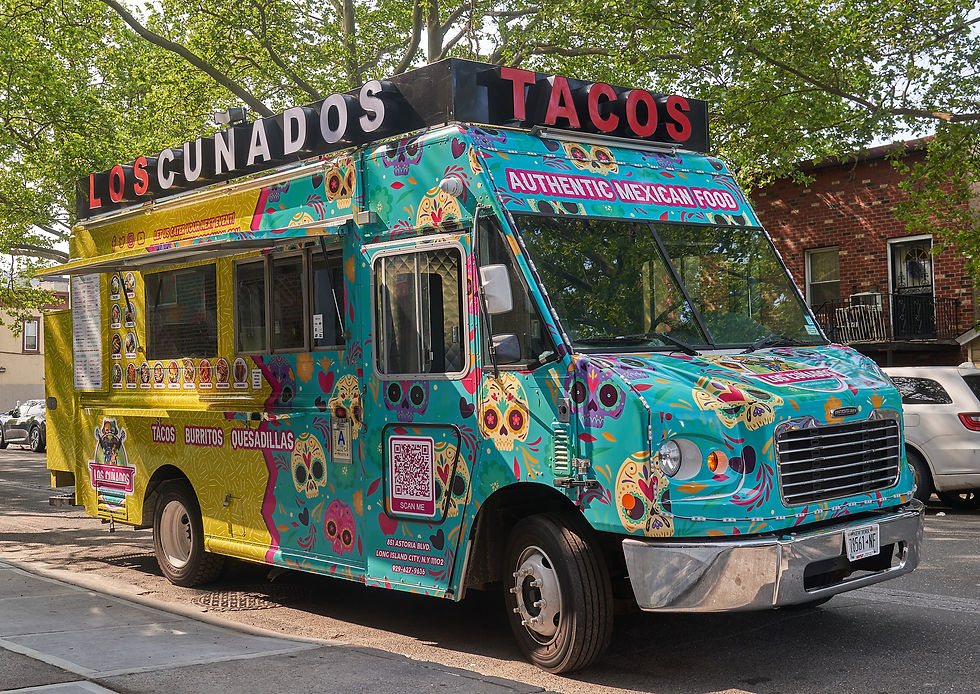
Running a restaurant has never been more challenging—or more competitive. Rising rents, staffing shortages, and fluctuating customer traffic can make growth feel risky. But there’s a proven way to expand your brand, increase revenue, and reach new customers without committing to another brick-and-mortar location: a food truck.
For established restaurants, a food truck isn’t just a novelty. It’s a strategic expansion tool that generates supplemental income, strengthens brand visibility, and creates new revenue streams with far less overhead.
Here’s why adding a food truck makes sense—and how to do it right.
Why Restaurants Are Turning to Food Trucks
Food trucks offer flexibility that traditional locations simply can’t match. Instead of waiting for customers to come to you, your brand goes directly to them—events, festivals, office parks, campuses, and neighborhoods where demand already exists.
For restaurants, this means:
New revenue without a second lease
Lower startup costs than a full restaurant
Increased brand exposure
Access to new customer demographics
A mobile marketing platform that pays for itself
A well-designed food truck can operate as a profit center and a rolling billboard.
How a Food Truck Creates Supplemental Income
1. Reach Customers You’re Not Reaching Now
Your restaurant may thrive during dinner service—but what about lunch crowds, corporate parks, or weekend events miles away? A food truck lets you capture sales beyond your physical location.
Many restaurants use food trucks to:
Serve lunch crowds during the workweek
Attend festivals and large-scale events
Operate late-night service
Test new neighborhoods before opening a second location
2. Lower Risk Than Opening Another Restaurant
Opening a second restaurant often means:
Long-term leases
Extensive buildouts
Higher staffing requirements
Months of construction and permitting
A food truck, by comparison, requires a significantly lower investment and can be operational much faster. If a location or event underperforms, you move on—no sunk real estate costs.
3. Streamline Your Menu for Higher Margins
Food trucks work best with focused menus. This allows restaurants to:
Highlight best-selling items
Reduce food waste
Improve speed of service
Increase profit margins
Many restaurants discover that a simplified food truck menu actually outperforms expectations—and those insights can improve the main restaurant as well.
4. Strengthen Your Brand Outside the Dining Room
A food truck is a powerful branding tool. Every event, street corner, and catering job becomes an opportunity to introduce new customers to your restaurant.
Customers who discover you through your truck often:
Visit your brick-and-mortar location later
Follow your brand on social media
Book catering or private events
Become long-term loyal customers
The truck becomes an extension of your restaurant’s identity.
How to Successfully Expand With a Food Truck
Design the Truck Around Your Restaurant Concept
Your food truck should reflect your brand—visually and operationally. That means:
Matching your kitchen workflow
Supporting your menu requirements
Using durable, commercial-grade equipment
Designing for efficiency and speed
A professionally built truck ensures consistency between your restaurant and mobile operation.
Choose the Right Truck Type
Depending on your menu and volume, you may need:
A compact cargo van for limited menus
A step van for full-service cooking
A box truck for high-volume or catering operations
The key is matching the truck to your business model—not overspending on space you don’t need or underbuilding for your demand.
Understand Local Regulations
Health codes, fire regulations, and parking rules vary by city and state. Working with an experienced food truck manufacturer ensures your truck is built to meet:
Health department requirements
Fire suppression standards
Electrical and gas codes
Permitting and inspection needs
This avoids costly delays and retrofits later.
Is a Food Truck Right for Your Restaurant?
A food truck is an excellent expansion strategy if:
You already have a strong brand or popular menu
You want to grow without opening another location
You’re looking for flexible, scalable income
You want to test new markets with minimal risk
For many restaurants, the food truck becomes a stepping stone to catering, additional locations, or even franchising.
Ready to Expand Your Restaurant With a Food Truck?
A food truck isn’t just an add-on—it’s a smart business move when done correctly. With the right design, build quality, and planning, it can generate consistent supplemental income while strengthening your brand.
If you’re considering adding a food truck to your restaurant operation, we can help. With over 30 years of experience designing and building custom food trucks, we understand what restaurants need to succeed on the road.
Contact us today to explore how a food truck can grow your business—without the risk of another brick-and-mortar.


Comments